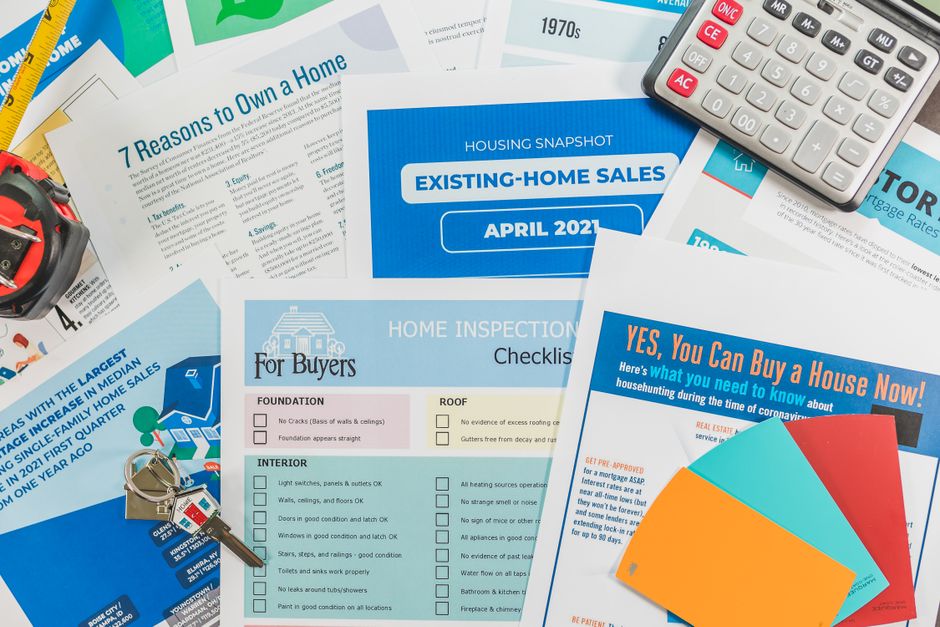
Flat lay of real estate brochures, checklists, and a calculator for home buying.

Evergreen Homes

Your starting point for building your dream home. Explore our latest guides, checklists, and expert advice on private house construction.

Frequently Asked Questions About Starting Your Home Construction

  • 1What is the first step in building a custom home?
    The first step involves defining your vision and budget. Research local building codes and zoning requirements before selecting a suitable plot of land.
  • 2Do I need to hire an architect or a contractor first?
    It is common to begin with an architect to design the plans. A contractor can then review those plans and provide cost estimates before construction begins.
  • 3How long does the average home construction process take?
    Timelines vary based on design complexity, weather, and material availability. A typical single-family project may take 6 to 12 months from groundbreaking to completion.
  • 4What permits are required for new home construction?
    Building permits, electrical permits, and plumbing permits are usually required. Your local municipality can provide a complete list based on the planned structure.
  • 5Should I use a construction loan or pay in cash?
    Most buyers use a construction loan that converts to a mortgage after completion. Discuss financing options with a lender experienced in custom home projects.

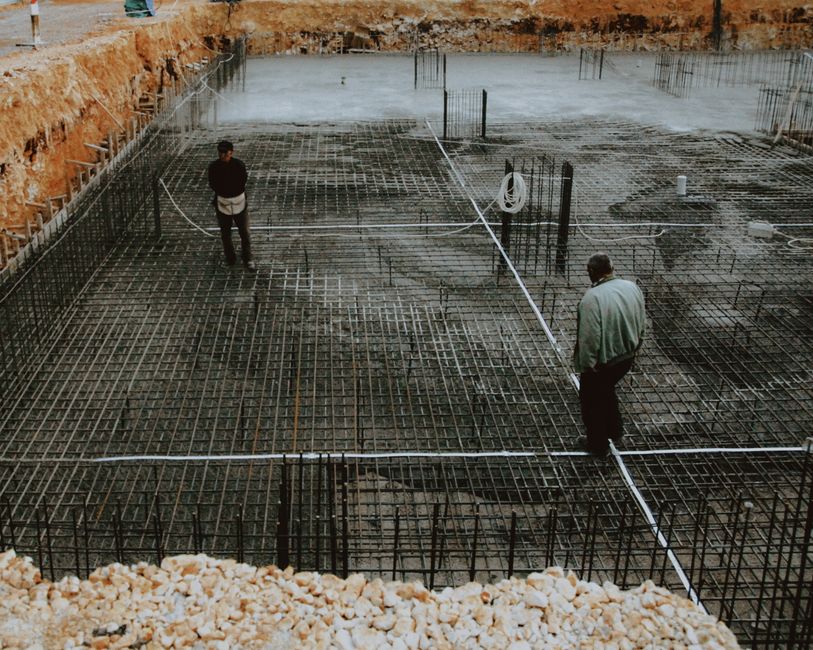
Building your dream home begins with a clear plan. At Evergreen Homes, we offer practical guides and checklists to help you navigate the early stages of private house construction. Understanding the process from site selection to final inspection sets a strong foundation for your project.

Key Considerations for First-Time Builders

Start by evaluating your long-term needs and the characteristics of available land. Soil quality, orientation, and access to utilities all influence design decisions. Use our step-by-step checklists to track milestones such as permit applications, material orders, and contractor reviews.

  • Define your budget range and include a contingency fund.
  • Research local building codes and HOA restrictions.
  • Compile a list of preferred materials and finishes.
  • Schedule preliminary consultations with architects and builders.

Each project is unique, and careful preparation reduces unexpected delays. We encourage you to explore our latest articles on foundation options, energy-efficient systems, and legal considerations. With the right information, your journey from blueprint to move-in becomes manageable and rewarding.