Metal vs Asphalt Shingles: Pros and Cons for Roofing
When selecting roofing material for a residential property, homeowners often evaluate several factors that influence long-term performance and satisfaction. Two of the most common options available in the United States are metal roofing and asphalt shingles. Each material offers distinct characteristics in terms of durability, cost, maintenance, and visual appeal. Understanding these differences requires a careful look at how each behaves under various conditions.
The choice between metal and asphalt shingles depends on individual priorities such as budget, local climate, and architectural style. No single material is universally superior; rather, the best fit varies by project. This article examines the key aspects of both roofing types in a neutral, informational manner. The goal is to provide a clear basis for comparison without presenting either option as a definitive recommendation.
By reviewing factors such as expected lifespan, upfront and long-term costs, upkeep requirements, energy performance, and aesthetic options, homeowners can form a balanced perspective. Professional installers and companies like Evergreen Homes often use these criteria when helping clients evaluate their roofing needs.
Durability and Longevity
Metal roofs typically have a lifespan of 40 to 70 years depending on the material type, gauge, and quality of installation. Asphalt shingles generally last between 20 and 30 years under normal conditions. These ranges are influenced by weather exposure, roof slope, and maintenance practices. Metal panels resist cracking, warping, and insect damage, while asphalt shingles may experience granule loss over time and can be more vulnerable to wind uplift during storms.
Impact resistance also varies. Some metal profiles are designed to withstand hail impact, and certain asphalt shingles carry Class 3 or Class 4 impact ratings. Local building codes and climate patterns play a significant role in determining which material offers adequate durability. Homeowners might consider the frequency of severe weather in their region when comparing longevity expectations. Proper installation is a critical factor for both materials, as poor workmanship can reduce actual service life substantially.
Cost Considerations
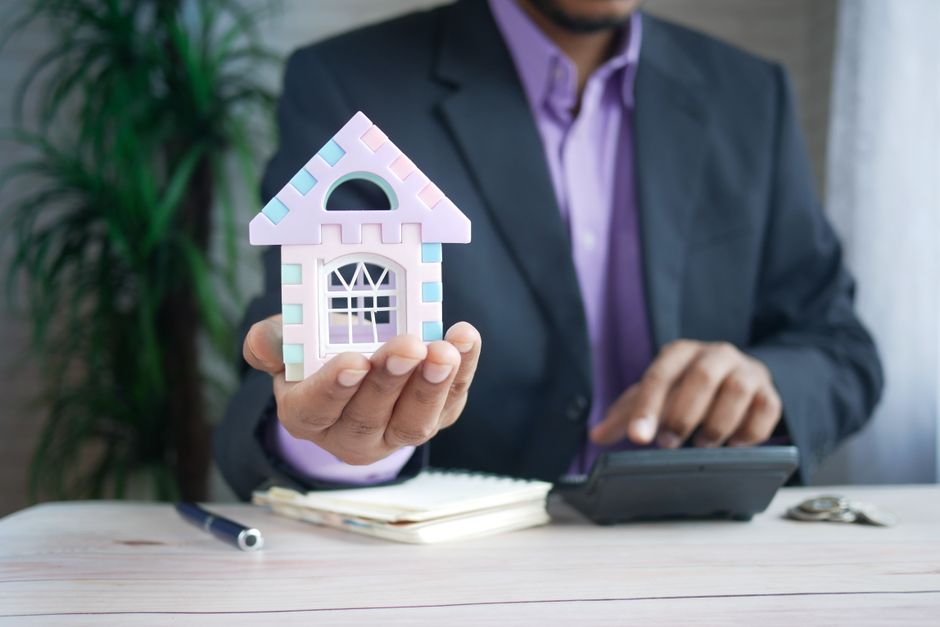
Initial installation costs for metal roofing are generally higher than for asphalt shingles. Metal can range from $5 to $12 per square foot installed, while asphalt shingles often range from $3 to $5 per square foot. However, total cost of ownership includes factors such as replacement frequency, maintenance expenses, and potential energy savings. Because metal roofs may last two to three times longer than asphalt, the upfront investment can be offset over time for homeowners who plan to stay in the property for many years.
Regional labor rates, roof complexity, and material grade also affect pricing. Asphalt shingles come in three-tab and architectural varieties, with architectural being more expensive but offering better wind resistance and visual depth. Metal options include standing seam, corrugated panels, and metal shingles, each with different price points. Financing options and warranty terms vary by contractor. Companies like Evergreen Homes provide detailed estimates that account for these variables. Obtaining multiple quotes and reviewing the scope of work is a common practice before committing to a material choice.
Maintenance Requirements
Both roofing types benefit from periodic inspection and routine maintenance. Asphalt shingles may require replacement of damaged or missing tabs, and granules that accumulate in gutters should be cleared to prevent clogging. Metal roofs generally require less frequent maintenance, but fasteners, flashings, and sealants should be checked after severe weather events. Debris removal and gutter cleaning are common to both systems, and the accessibility of the roof influences how often these tasks are performed.
Painting or recoating metal roofs may be considered after many years to preserve appearance, whereas asphalt shingles cannot be painted effectively. Some metal finishes are designed to resist fading and chalking. The presence of nearby trees can increase maintenance needs for either material due to leaf accumulation and moss growth. A professional inspection every few years helps identify potential issues early, such as loose panels or cracked shingles. Regular maintenance supports the material’s designed performance without guaranteeing the absence of problems.
Energy Efficiency and Insulation
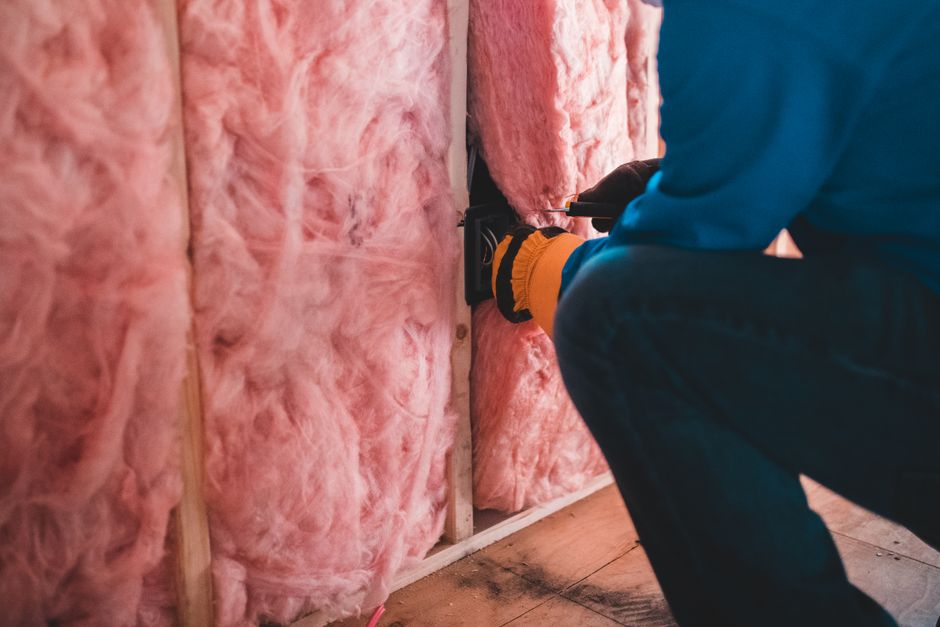
Metal roofing often reflects solar radiation, which can reduce heat transfer into the attic. This reflective property may contribute to lower cooling costs in warmer climates, especially when combined with proper attic ventilation and insulation. Asphalt shingles typically absorb more heat, which can increase attic temperatures and place additional demand on air conditioning systems. However, cool-roof asphalt shingles with reflective granules are also available and can reduce heat absorption.
The overall energy performance of a roof depends on several variables including roof pitch, orientation, and the quality of insulation beneath the deck. Metal coatings with high emissivity further enhance thermal performance. In colder climates, heat loss through the roof is more influenced by insulation than by the roofing material itself. Neither material guarantees energy savings, but homeowners may consider the potential impact when weighing options. Local climate and building orientation are important factors in this evaluation.
Aesthetic and Curb Appeal
Asphalt shingles offer a wide variety of colors, textures, and styles, including architectural laminates that simulate wood shakes or slate. Metal roofing is available in standing seam profiles, corrugated panels, and metal shingles that mimic traditional materials. The visual impact on a home’s exterior is a subjective consideration, but both materials can complement modern, contemporary, and traditional designs.
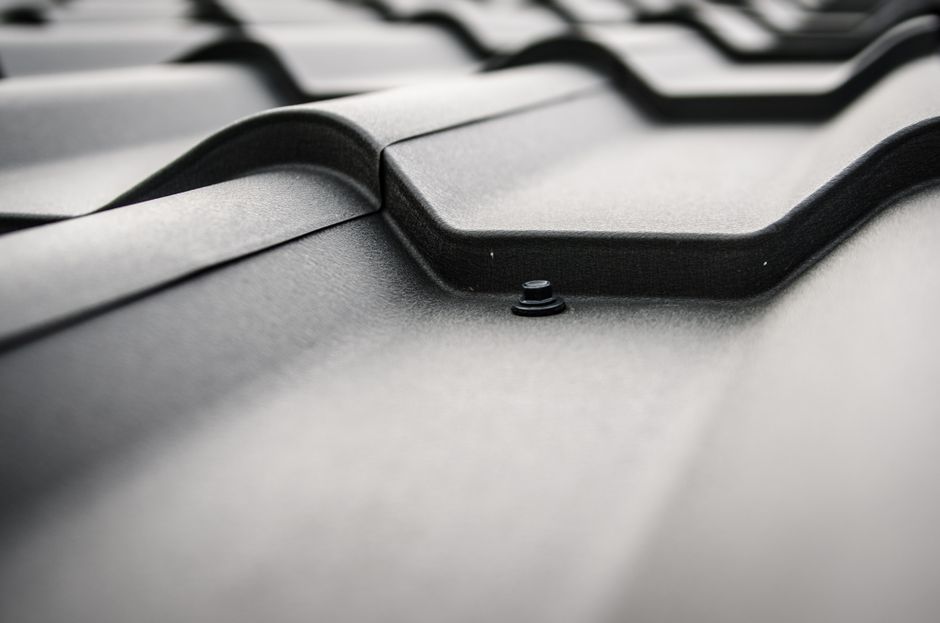
Neighborhood homeowners’ associations sometimes have guidelines that restrict certain materials or colors. The texture and shadow lines of metal differ from the layered look of asphalt, which can affect how the roof interacts with natural light. Homeowners may evaluate samples on the actual roof surface or view completed projects in similar architectural contexts. Professional installers can provide visual references and discuss how different options might align with the overall exterior design. The choice ultimately reflects personal preference and the character of the home.